Cambridge International · IGCSE · English Literature
Songs of Ourselves Volume 2 Part 3 (Selected)
Songs of Ourselves Volume 2 Part 3 offers a profound journey across cultures and centuries, challenging students to engage with diverse voices. Studying this anthology rewards candidates who can critically analyse the intersection of personal identity, societal power, and poetic craft.
- 5 min read
- 2 worked examples
- 2 practice questions
- 8 key terms
Study Notes
Overview
'Songs of Ourselves Volume 2 Part 3' is a vibrant, diverse poetry anthology set for the Cambridge International IGCSE English Literature paper (0475/0992). It spans centuries and continents, bringing together voices from Zimbabwe, Singapore, Britain, India, and beyond. Examiners look for candidates who can navigate this diversity with critical agility, moving beyond surface-level summary to perceptive analysis of how poets use language, form, and structure to shape meaning. Success requires a sophisticated understanding of how universal themes—such as identity, power, and alienation—are expressed through precise poetic choices.
Core Themes
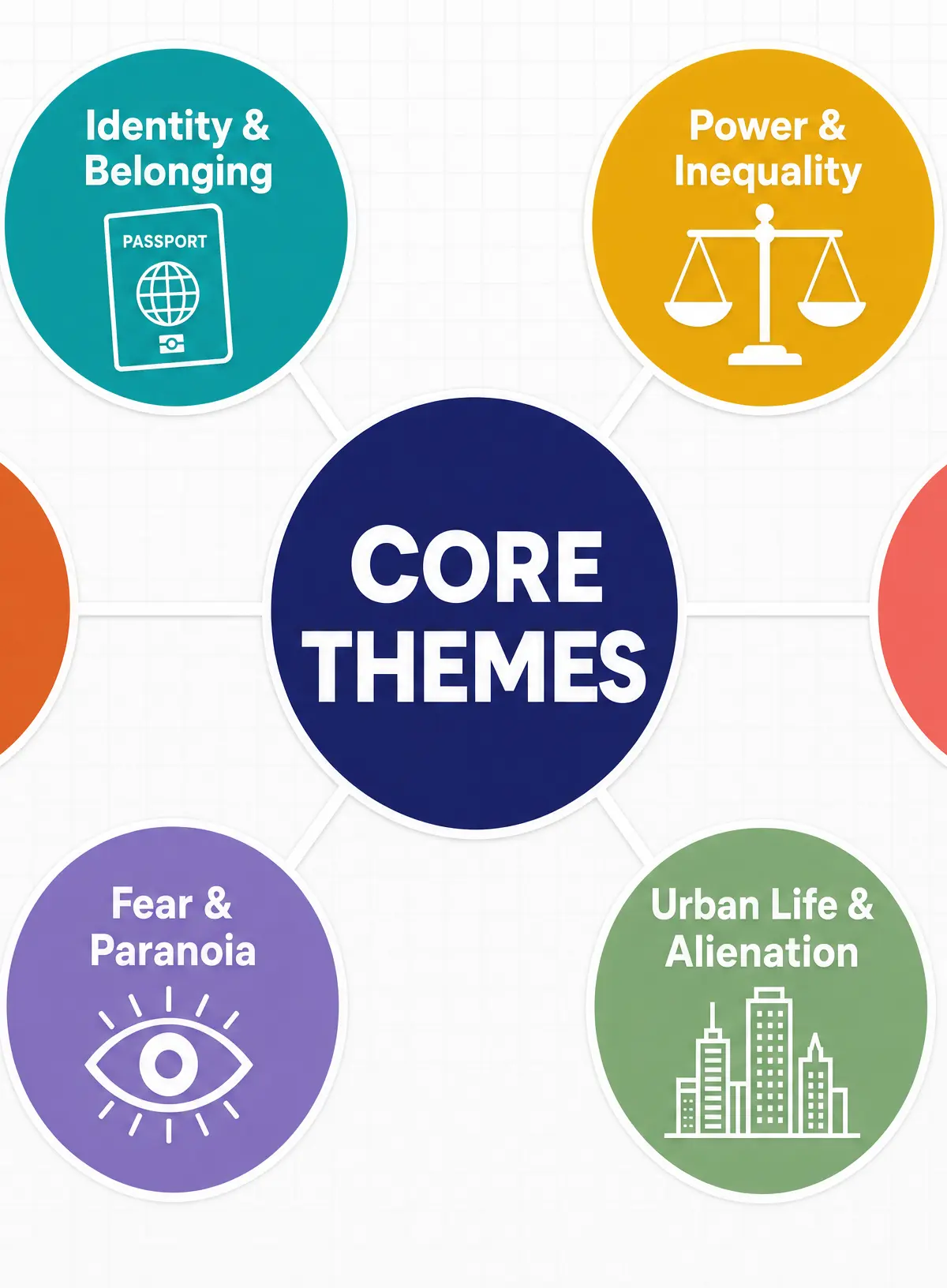
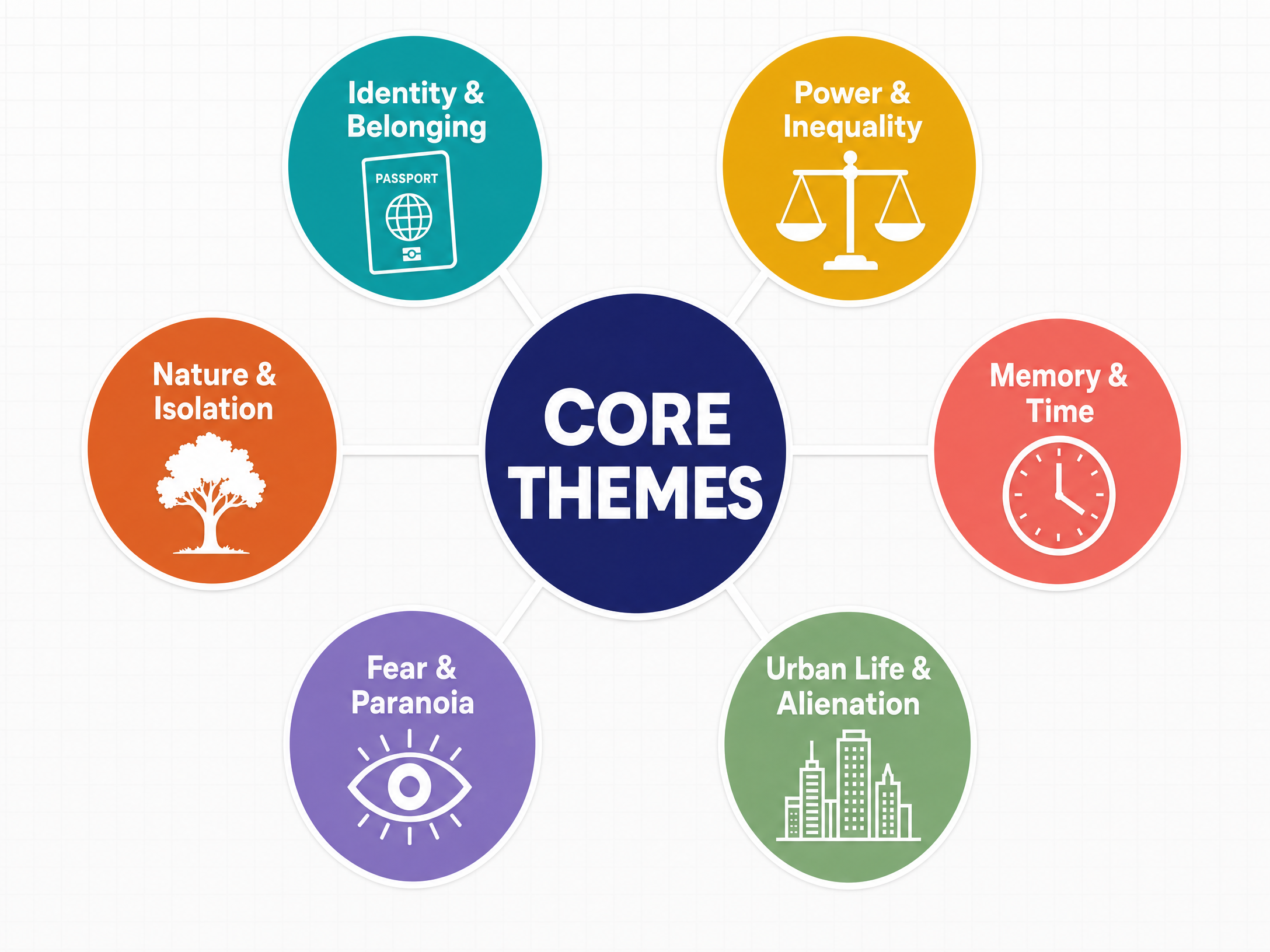
Theme 1: Identity & Belonging
Identity is rarely fixed in this anthology; it is often contested, fragmented, or imposed by external forces. Poets explore the tension between how individuals see themselves and how society categorises them.
Key Quotes:
- "you shrink to the size / of the book in his hand" (These are the Times We Live In) - The use of metonymy highlights the dehumanising effect of institutional xenophobia, reducing a complex identity to a mere passport.
- "They made you over completely." (These are the Times We Live In) - The pronoun "They" underscores the power imbalance, suggesting identity is forcibly overwritten by prejudice.
Theme 2: Fear & Paranoia
The corrosive nature of fear and the destructive power of suspicion are recurring motifs. The anthology examines how communities react to the unknown, often with hostility.
Key Quotes:
- "Last night they came across the river and / Entered the city." (The Enemies) - The enjambment creates a sense of unease, while the vague pronoun "they" strips the strangers of humanity, reflecting the mechanics of prejudice.
- "There is no warmth in hands accepting hands" (The Enemies) - This striking image reveals how paranoia ultimately destroys the internal cohesion of the community itself.
Theme 3: Power & Inequality
Poets critique societal structures that create and maintain inequality, whether through wealth, class, or institutional authority.
Key Quotes:
- "Children of wealth in your warm nursery... / guarded invisibly" (Children of Wealth) - The "warm nursery" serves as a metaphor for the stifling isolation of privilege, which protects but also deprives.
- "your citadel / Is safe from feeling, and from knowledge too." (Children of Wealth) - The juxtaposition of safety with emotional and intellectual deprivation ironically exposes the true cost of extreme wealth.
Writer's Methods
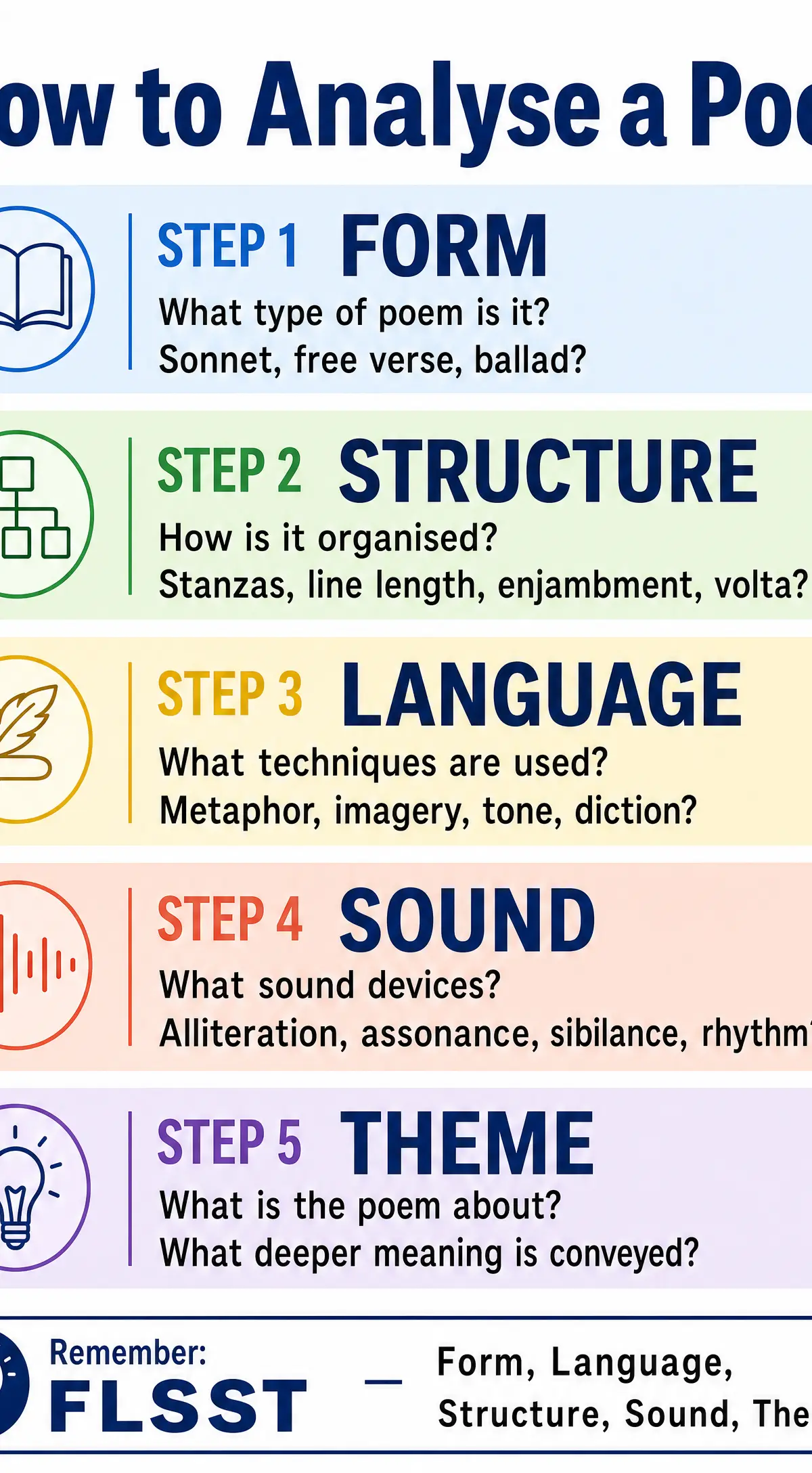
Examiners heavily reward Assessment Objective 2 (AO2): the analysis of the writer's methods. Candidates must identify techniques and, crucially, explain their precise effect on meaning and tone.
Metaphor & Metonymy: Imtiaz Dharker's use of the passport as a metonym for the speaker's entire existence in These are the Times We Live In is a masterclass in using figurative language to convey powerlessness.
Form & Structure: Elizabeth Daryush's Children of Wealth employs the Petrarchan sonnet form. The rigid structure mirrors the constrained lives of the wealthy children, while the volta at line 9 ("Go down, go out...") marks a powerful shift from observation to imperative instruction.
Enjambment: Elizabeth Jennings uses enjambment extensively in The Enemies to create a lingering sense of suspense and unease, perfectly capturing the creeping nature of paranoia.
Context
Context (AO3) must be integrated seamlessly into your analysis, not bolted on as a separate paragraph. For example, understanding the post-colonial landscape of Zimbabwe deepens the reading of Musaemura Zimunya's A Long Journey, where the river symbolises the reclamation of suppressed history. Similarly, the post-9/11 rise in Islamophobia provides crucial resonance to the airport interrogation in These are the Times We Live In. Examiners reward candidates who use context to illuminate the text, showing how the poet's environment shapes their linguistic choices.
Audio Resource
Listen to the comprehensive podcast guide for this anthology:

Visual Resources
2 diagrams and illustrations
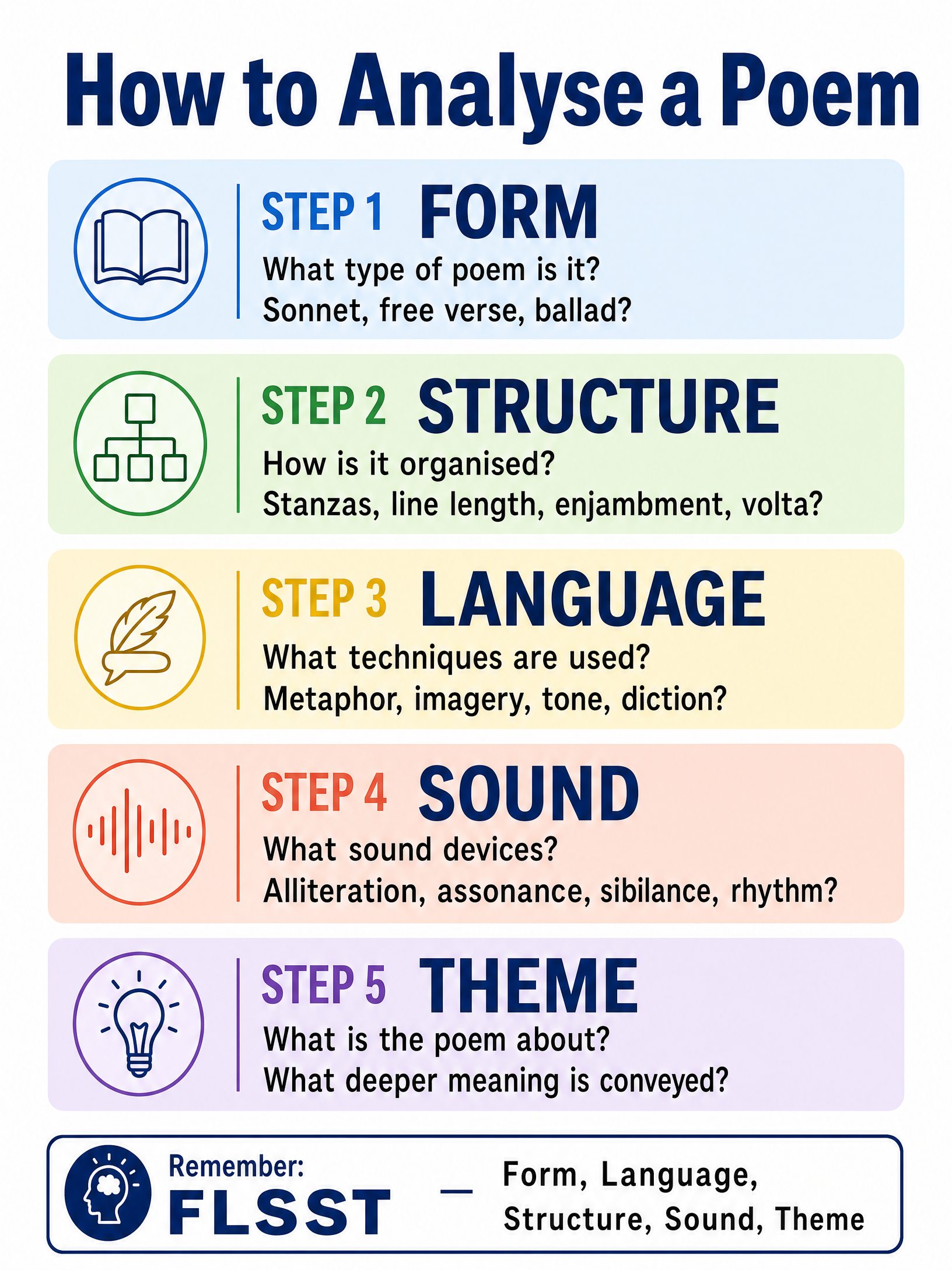
Interactive Diagrams
1 interactive diagram to visualise key concepts
Conceptual Flow Outline
The Cycle of Paranoia in 'The Enemies'
Worked Examples
2 worked examples — open one to explore the question and available guidance.
Practice Questions
Test your understanding — click to reveal model answers
Explore how Elizabeth Jennings creates a sense of unease and suspicion in 'The Enemies'. (15 marks)
Hint: Focus on the use of vague pronouns, enjambment, and the contrast between the initial welcome and the final paranoia.
Compare how poets present the experience of isolation in 'Children of Wealth' and one other poem from the anthology. (25 marks)
Hint: You could compare the physical isolation of privilege in 'Children of Wealth' with the social/institutional isolation in 'These are the Times We Live In'.